
Neurodiversity 101: ADHD, Adult Traits & Support

neurodiversity
Neurodiversity is a term you may be seeing more often in relation to mental health, ADHD in adults, autism, and overall wellbeing. Many people first encounter it while wondering “Could I have ADHD?” or “Why do I struggle with focus, overwhelm or organisation?”
If you’re an adult who hasn’t had a formal diagnosis but feel that neurodiversity resonates with your experience — you’re not alone. Understanding this concept can be a powerful first step toward self-awareness and support.
This article explains what neurodiversity truly means, what it doesn’t mean, and why it could be helpful for you (and parents exploring support for their children).
What is neurodiversity?
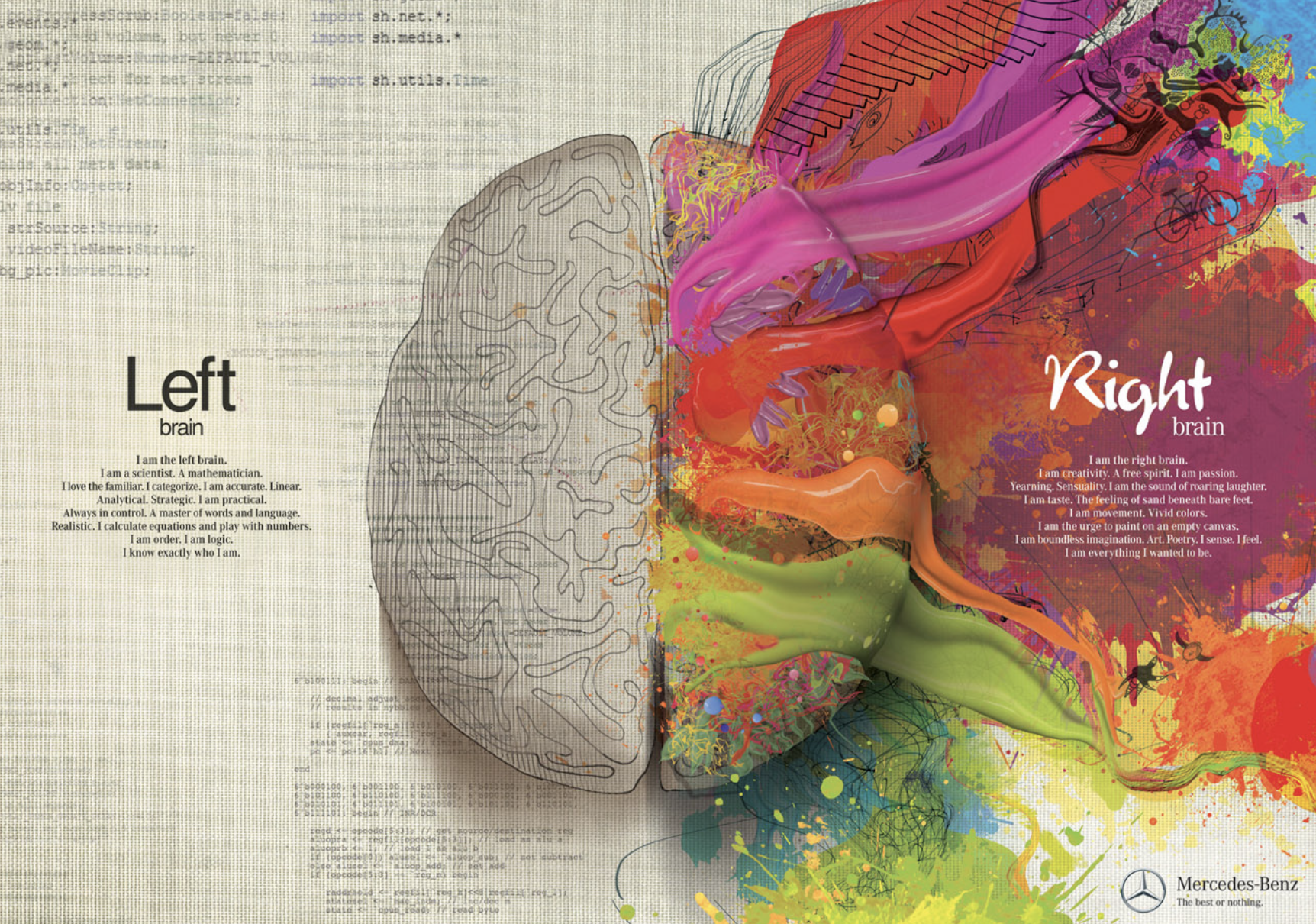
Neurodiversity is the idea that human brains naturally vary in how they process information, emotion, attention, creativity and sensory input. Rather than viewing one style of thinking as “normal,” neurodiversity recognises a spectrum of different but valid neurological experiences.
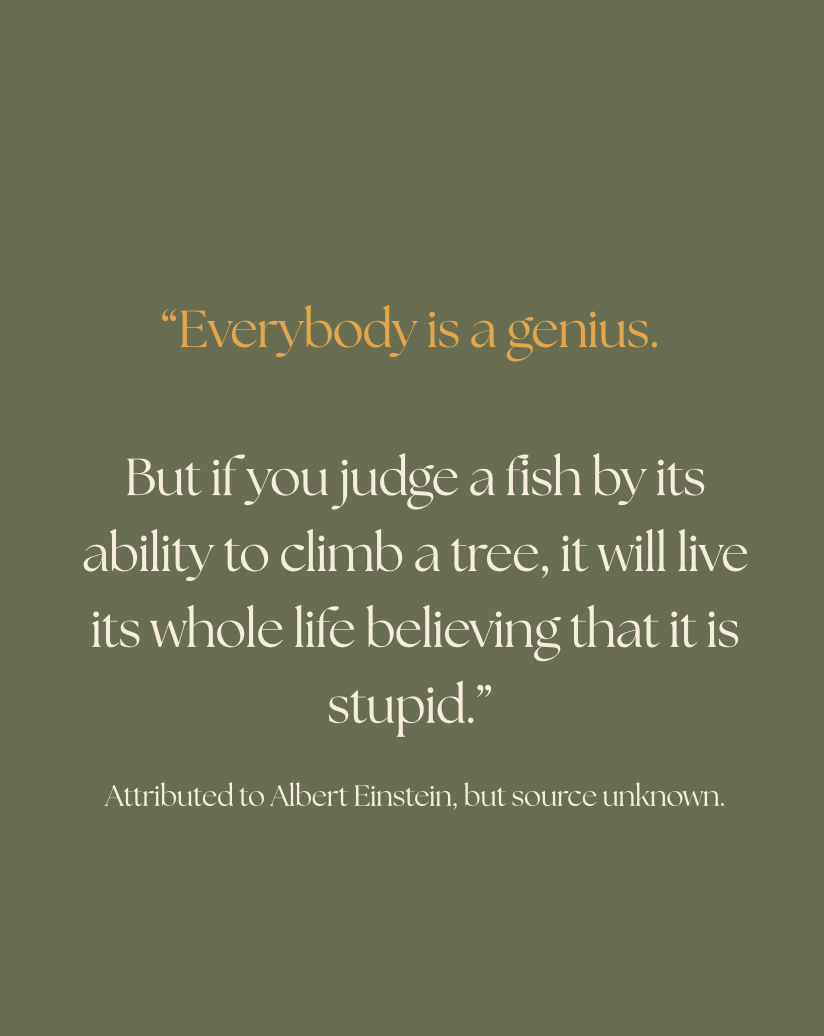
This framework includes both neurotypical and neurodivergent people. Neurodivergent brains — such as those with ADHD, autism, dyslexia or dyspraxia — are different, not defective. The challenges often people feel come from a mismatch between their brain’s way of working and a world built around neurotypical expectations.
Understanding neurodiversity helps shift the conversation from “What’s wrong with me?” to “How does my brain work, and what support helps me thrive?”
“neurodiversity helps shift the conversation from “What’s wrong with me?” to “How does my brain work”
Neurodiversity vs neuro-divergent
Neurodiversity refers to the entire range of human neurological differences. Neurodivergent refers to individuals whose brains operate in ways that differ from what is typical. Conditions often included here are:
ADHD
Autism
Dyslexia
Dyspraxia
Tourette’s and more
These are lifelong differences in cognition, not conditions someone chooses or can simply “fix.”
Learn more about how we work with individual experiences and psychological wellbeing by contacting us for your free 50-minute consolation with one of our leading practitioners.
What neurodiversity isn’t
A neurodiversity-affirming view does not mean:
ADHD or autism aren’t real or impactful
Support, therapy, or diagnosis aren’t needed
Everyone just has “a bit of ADHD”
People should cope without strategies
Neurodiversity acknowledges that many people genuinely struggle — especially in environments designed around neurotypical brains — but it also emphasises strengths, resilience and diverse thinking styles.
“I think I might have ADHD… but I’ve always managed”
This is a common experience for many adults. You may have developed coping strategies like masking, overcompensating, or relying on last-minute urgency to function. That doesn’t mean your experience isn’t valid — it just means you’ve been adapting without the language or support that might help you thrive.
Typical adult ADHD traits include:
Difficulty with time management or organisation
Emotional sensitivity or overwhelm
Trouble following through on everyday tasks
Feeling exhausted by things others find simple
Learning about neurodiversity and adult ADHD can reduce self-criticism and open the door to strategies that honour your brain’s strengths. If you’re curious about whether ADHD might apply to you, reliable external information is available from organisations like the ADHD Foundation.
Do I need a diagnosis?
A formal ADHD diagnosis can be validating and helpful, but it isn’t required to start understanding yourself or seeking support. Many people benefit from neurodiversity-informed therapy, practical coping strategies, and supportive routines even without a clinical label.
If you’re interested in exploring this personally or for your child, you might find useful resources through ADHD information services such as ADDISS or the National Autistic Society for broader neurodivergent understanding.
A helpful approach
Neurodivergent brains come with real challenges, but they also bring strengths like creativity, empathy, intuitive problem-solving and novel thinking.
Neurodiversity isn’t about excusing difficulty — it’s about working with your brain in ways that reduce burnout and increase wellbeing.
How this perspective can help parents
Parents often begin this journey when they recognise neurodivergent traits in their child. Viewing behaviour through a neurodiversity lens encourages:
curiosity instead of judgement
support instead of punishment
understanding instead of internalised shame
It can also help parents reflect on their own needs and patterns, which often mirrors their child’s experiences.
A gentle next step
If this resonates, you don’t have to navigate it alone. At the Well Being Hive, we offer neurodiversity-affirming psychotherapy and counselling that can help you explore patterns, build self-understanding, and develop personalised strategies for wellbeing.
Whether you’re seeking clarity, coping strategies, or simply a compassionate space to be heard, reaching out could be a meaningful step toward understanding your unique mind — and living in a way that feels more sustainable and authentic.