
helping your neurodivergent child navigate friendship
Making friends can be tricky for any child—but for neurodivergent kids, it can feel especially confusing or overwhelming. This can be a tricky terrain to tread for lots of reasons.
Social rules aren’t always obvious, conversations can be unpredictable, and sensory or emotional differences can add extra challenges.
However, with the right support, your child can build meaningful, fulfilling friendships—on their own terms. If your looking for ways in which to support your child or young person, you have come to the right place.

Start With Understanding the Terrain
Your child isn’t struggling because they’re doing something wrong—they’re navigating a path that simply wasn’t designed with them in mind.
Before guiding them, take time to understand:
Which “steps” feel stable (familiar people, shared interests)
What makes them feel safe or overwhelmed (group settings, unstructured play)
What kinds of interactions they enjoy
Friendship doesn’t have to look one specific way to be valid.
Teach Social Skills with role play
Many neurotypical children pick up social cues naturally. Neurodivergent children often benefit from clear, direct teaching.
Try using role play to explore these:
Role-playing common situations (e.g. joining a game, starting a conversation)
Breaking down unwritten rules (“When someone is talking, we usually wait our turn”)
Practice how to join in (“Can I play too?”)
Think of it like teaching any other skill— mini steps, with patience.
Practice, But Keep It Low Pressure
Social practice is important—but it shouldn’t feel like a test. Try to arrange short, structured playdates and keep groups small (one or two peers at a time). Try to choose predictable activities (board games, crafts, etc) designed to build social confidence naturally—without it feeling like a lesson.
Afterward, gently reflect together:
What went well?
What felt tricky?
Celebrate effort, not perfection.
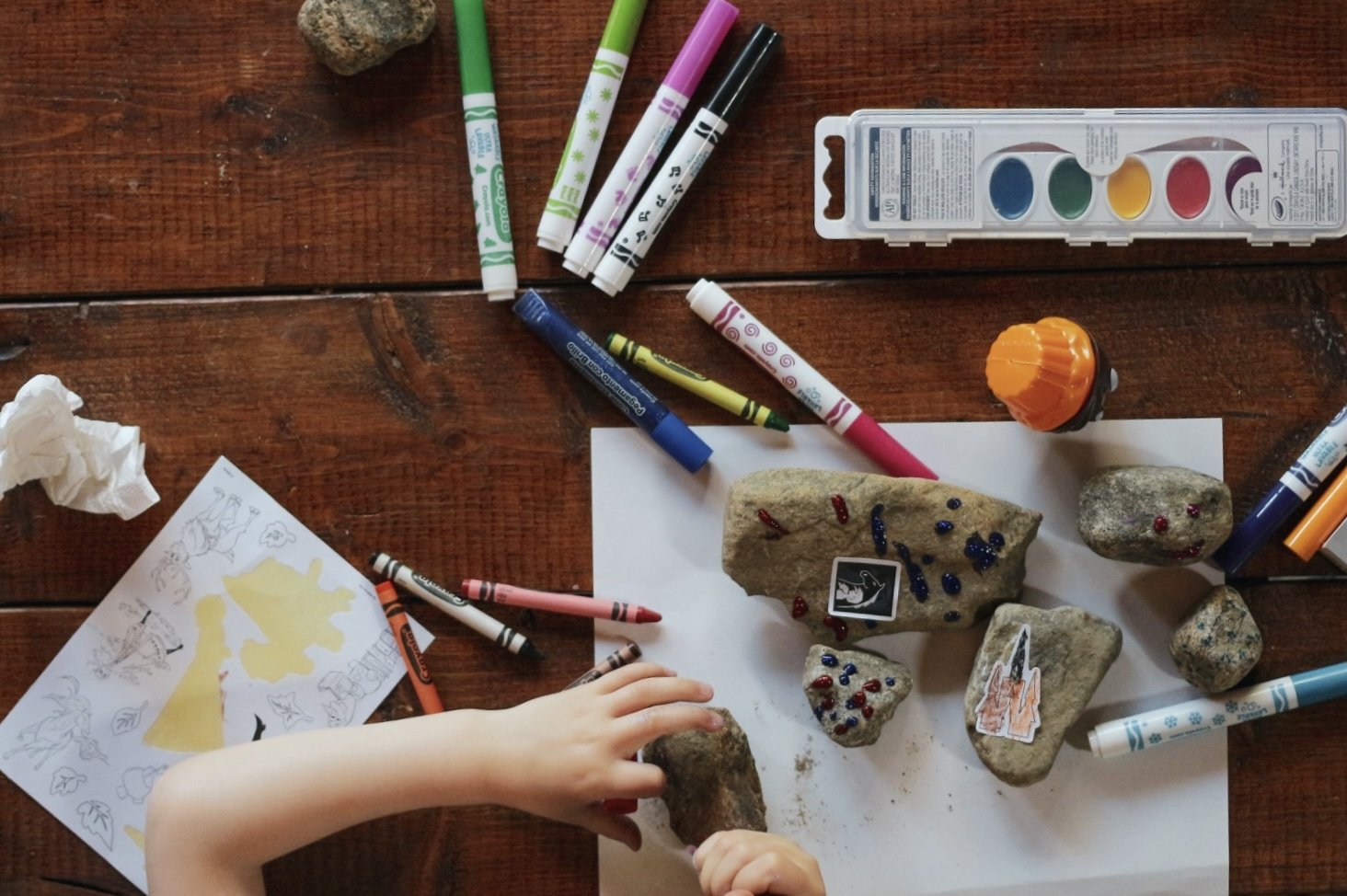
Play Ideas to Support Social Skills and Connection
Play is one of the most natural ways children learn how to connect with others. For neurodivergent children, the right kind of play can gently build social skills without pressure or overwhelm—creating opportunities to practice, connect, and feel safe at the same time.
Cooperative Creative Activities (Working Together)
Encourages teamwork without heavy social demand.
Creating a shared art project
Baking or cooking together
Building a fort
By focussing on the task, not the interaction—it takes the pressure off.
Movement-Based Play (Regulating & Connecting)
Great for children who struggle to sit still or process social info while stationary.
Obstacle courses
Trampoline turn-taking
Simple ball games
Movement can make social interaction feel easier and more natural.
Sensory-Friendly Playdates (Reducing Overwhelm)
Supports children who get overstimulated.
Quiet activities (drawing, sensory bins, water play)
Headphones or calm-down spaces available
Short, predictable play sessions
A regulated child is a more socially available child.
Prepare for Challenges
Friendship isn’t always smooth, and for neurodivergent children, it can feel especially confusing at times. They may experience misunderstandings, rejection, or being left out—which is a normal part of growing up—but can feel more intense.
While it’s natural to want to protect your child, it’s more helpful to gently prepare them. This might look like helping them recognise kind vs. unkind behaviour and practising simple phrases they can use when things feel tricky. You could say: “We can choose some words together so you don’t have to figure it out in the moment.”
After difficult situations, talking things through without blame helps build understanding and confidence. Most importantly, being a calm, safe place for your child to land emotionally matters more than having all the answers—feeling heard is what helps them keep trying.
takeaway
Helping your neurodivergent child navigate friendships is less about teaching them to “fit in” and more about helping them connect in ways that feel natural and meaningful.
Progress may be gradual, and that’s okay. Every small step—every shared laugh, every successful interaction—is a win.
You’re not just helping your child make friends. You’re helping them build confidence, self-understanding, and a sense of belonging that lasts a lifetime.